


Our Blog
Express Vision - Southwest Blog
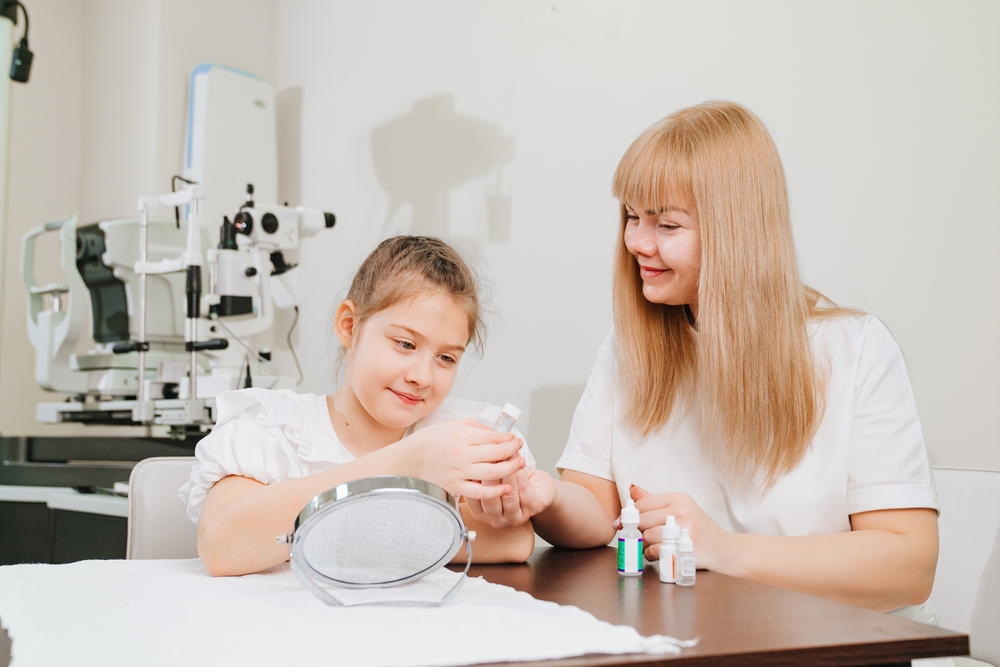
Myopia (nearsightedness) is becoming increasingly common in children, but myopia is not just about needing glasses. Higher levels of myopia increase the risk of developing serious eye conditions later in life, including retinal detachment, glaucoma, and myopic macular degeneration.
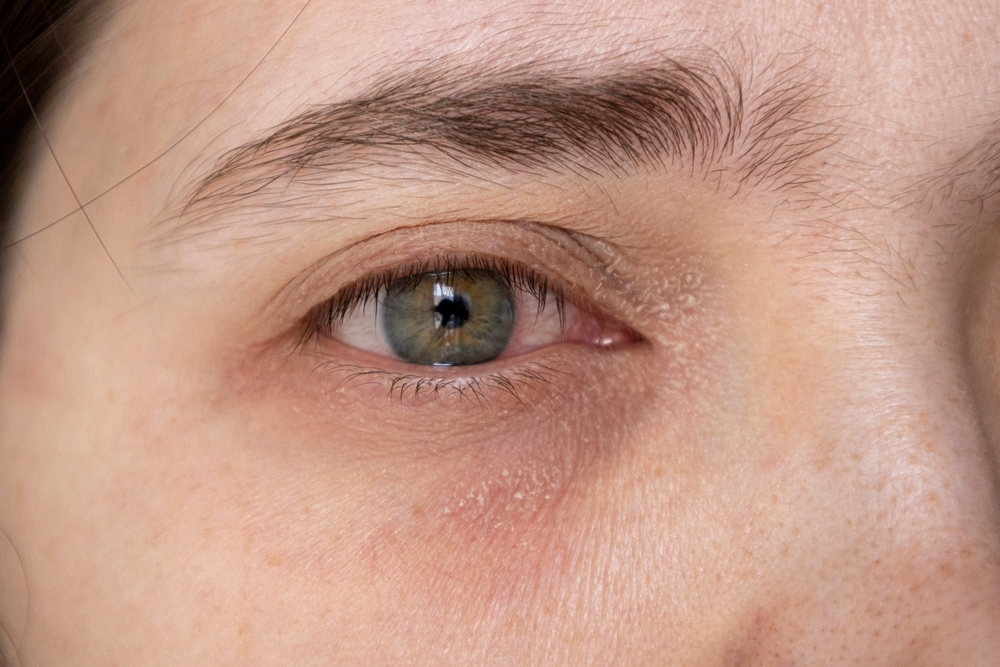
Many patients with dry eye symptoms do “all the right things”—using artificial tears, warm compresses, even changing their environment—yet still struggle with burning, redness, blurry vision, or a constant gritty sensation. The source of this discomfort is not always directly the tear film or ocular surface, but the eyelid margin itself. Demodex blepharitis is a common cause of flakey, debris-like material that can build up on the eyelid margin/lash line. Demodex are skin mites that are harmless in normal concentrations, but overgrowth of these mites along the eyelid margin can cause many classic dry eye symptoms such as burning, irritation, dryness, and crusting.
Discover essential information about atropine treatment, including dosage, side effects, and follow-up care. Learn how to ensure effective results for your child.
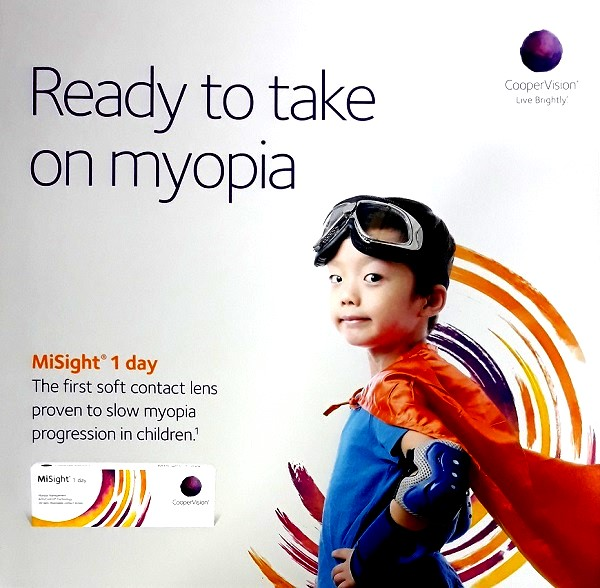
If your child is nearsighted and their prescription seems to get stronger each year, you’re not alone. Myopia (nearsightedness) is increasing in kids worldwide — but now we have tools to help slow its progression. One of the most proven and well-studied options is MiSight® contact lenses, the only FDA-approved daily contact lenses designed specifically for myopia control in children.
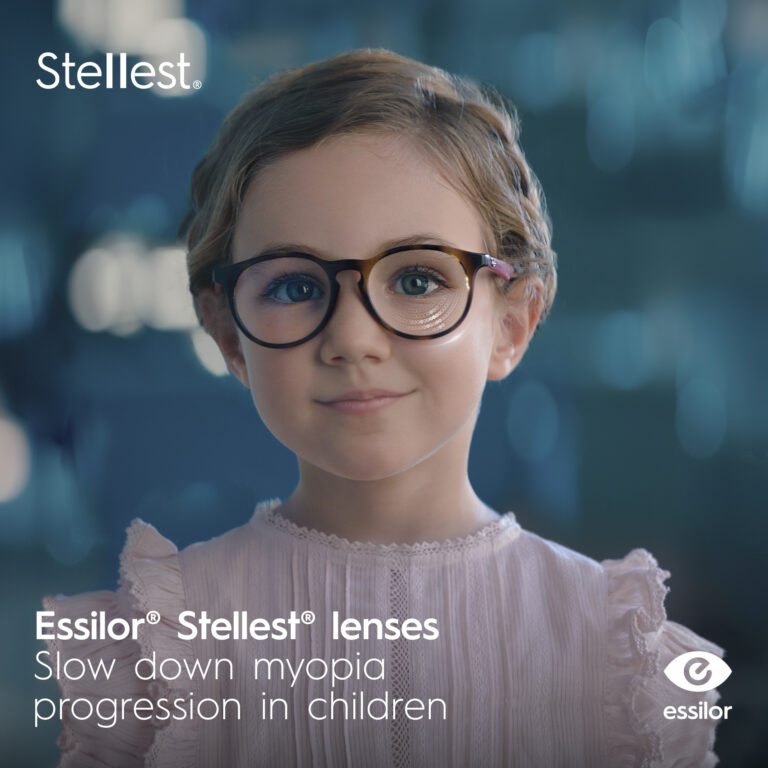
Myopia, also known as nearsightedness, is becoming increasingly common in children around the world. If your child’s prescription seems to get stronger every year, you’re not alone—and there are proactive options available. One exciting and new advancement in this area are Stellest® lenses, developed by Essilor, which are designed specifically to help slow the progression of myopia in children.

Myopia or nearsightedness, is an ocular condition where distant objects appear blurry but can be seen clearly at near distance. Myopia is an increasing epidemic that can significantly affect a child’s daily life and ability to learn if left uncorrected
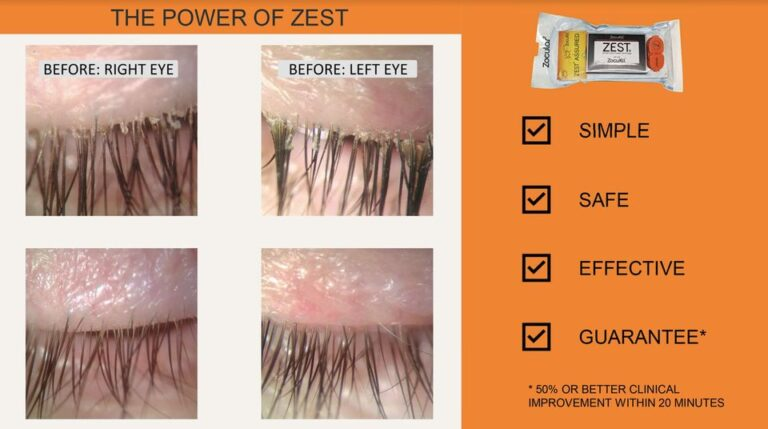
If you’ve been struggling with itchy, irritated eyelids, recurrent styes, or dry eye, you may be dealing with Demodex blepharitis — a common but often overlooked eyelid condition caused by microscopic mites that live in the lash follicles. These mites feed on oils and skin cells, leading to inflammation, redness, crusting around the lashes, and that frustrating “gritty” or burning/dry sensation. Fortunately, there’s now a gentle yet effective in-office solution: the Zocular ZEST treatment.
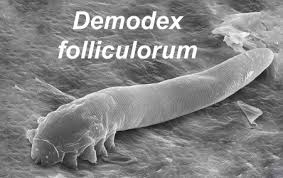
If you’ve ever experienced red, irritated eyelids, itching around the lashes, or a “gritty” sensation that just won’t go away, you might be dealing with Demodex blepharitis — a common but often overlooked eyelid condition. Demodex mites are microscopic parasites that naturally live on human skin. In small numbers, they’re harmless. But when they overpopulate the eyelid margins and lash follicles, they can trigger inflammation, dryness, and persistent irritation.

Myopia or Nearsightedness, is a growing epidemic that is being diagnosed I children at earlier ages. Managing myopia has become a priority for eye care providers and parents, with treatment options such as Ortho-k, Atropine and notably Soft Multifocal Contact lenses.

If your child has been diagnosed with myopia (nearsightedness), the good news is that there are several management options to help slow down or reduce the progression of myopia


At Express Vision - Southwest, We provide the highest quality optometry services and compassionate eye care to ensure you and your family is healthy and happy.
© 2026 Express Vision - Southwest. All Rights Reserved. Accessibility Statement - Privacy Policy - Sitemap
